| Program |
|
|
|
|
| Last updated: September 19, 2026 |
|
|
|
|
|
|
|
| Key Participants |
|
|
|
|
 |
|
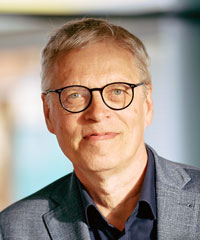
| Stephan Zipfel |
| Department of Psychosomatic Medicine and Psychotherapy, University of Tuebingen, Germany |
|
|
Biography
Stephan Zipfel is Professor and Chair of the Department of Psychosomatic Medicine and Psychotherapy, University Medical Hospital, Tuebingen Germany. He is Vice Dean of the Medical Faculty, Vice spokesmen of the German Centre of Mental Health and Director of the Centre of Excellence for Eating Disorders Tuebingen (KOMET). He is also Editor in Chief of Psychotherapy and Psychosomatics and President of the International College of Psychosomatic Medicine (ICPM).
|
|
|
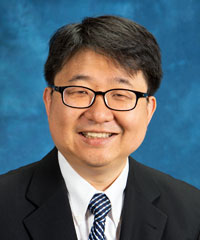 |
|
| Hochang Benjamin Lee |
| Department of Psychiatry, University of Rochester School of Medicine |
|
|
Biography
Hochang Benjamin (Ben) Lee, M.D. is the John Romano Professor and Chair of the Department of Psychiatry at the University of Rochester School of Medicine and Chief of Psychiatry at Strong Memorial Hospital in Rochester. Dr. Lee is the Editor-In-Chief for Journal of the Academy of Consultation-Liaison Psychiatry and the Past President of International College of Psychosomatic Medicine.
|
|
|
|
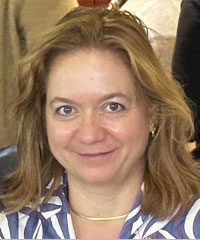 |
|
| Ajándék Eőry |
| Semmelweis University, Budapest, Hungary |
|
|
Biography
Dr Ajandek Eory is an academic GP and medical acupuncturist. She is an Associate Professor in the Department of Family Medicine and Head of the Division of Integrative Medicine at Semmelweis University. Her main area of research is the inclusion of well-being in the psychosomatic assessment process for preventive and treatment purposes.
|
|
|
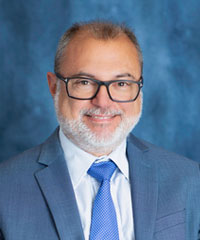 |
|
| George Nasra |
| University of Rochester Medical Center, USA |
|
|
Biography
Dr. Nasra is Professor of Clinical Psychiatry and Associate Chair for Adult Ambulatory Services and Regional Strategy at the University of Rochester Medical Center, where he founded the Division of Collaborative Care and Wellness.
|
|
|
|
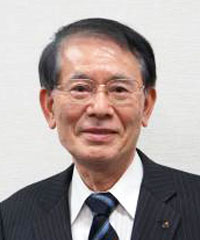 |
|
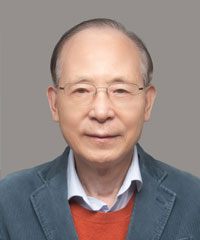
| Chiharu Kubo |
| Nakamura Gakuen University |
|
|
Biography
1993-2008 Professor, Department of Psychosomatic Medicine, Faculty of Medicine, Kyushu University, 2008-2014 Director, Kyushu University Hospital, 2014-2020 President, Kyushu University, 2020-present President, Nakamura Gakuen University
|
|
|
 |
|
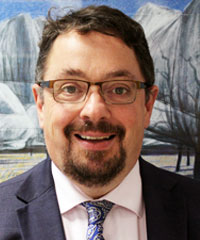
| Kyung Bong Koh |
| Dept. of Psychiatry, Yonsei University College of Medicine, Seoul, Korea |
|
|
Biography
A professor emeritus of psychiatry at Yonsei University College of Medicine, Seoul, Korea. He is the author of the book ‘Body, Mind and Spirituality: A Resilience-Enhancing Approach.’ He served as president of the International College of Psychosomatic Medicine (ICPM).
|
|
|
|
 |
|
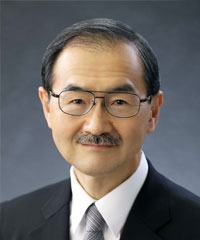
| John F. Cryan |
| University College Cork |
|
|
Biography
John F. Cryan is Professor and Chair of the Department of Anatomy & Neuroscience at University College Cork (UCC) and has served as Vice President for Research & Innovation since 2021. He is also a Principal Investigator at the APC Microbiome Institute. He holds a BSc in Biochemistry and a PhD in Pharmacology from the University of Galway, Ireland. He was a visiting fellow at the University of Melbourne. In 1996/1997 and completed postdoctoral training at the University of Pennsylvania, Philadelphia and The Scripps Research Institute, La Jolla. He spent four years as a Group Leader at Novartis in Basel before returning to Ireland and UCC in 2005.
His research focuses on the microbiome-gut–brain axis and its role in stress, psychiatric, and immune-related disorders across the lifespan. He is co-author of the bestselling book The Psychobiotic Revolution and serves on more than 15 different editorial boards.
Prof. Cryan has received numerous international awards and was elected to the Royal Irish Academy in 2017. A past president of the European Behavioural Pharmacology Society, he is currently Treasurer of European College of Neuropsychopharmacology. An avid science communicator he has delivered TEDMED and TEDx talks and was featured in the Netflix documentary Hack Your Health: The Secrets of the Gut.
|
|
|
 |
|
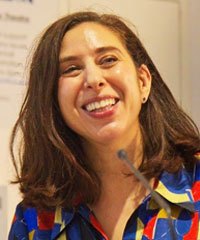
| Shin Fukudo |
| Research Center for Accelerator and Radioisotope Science, Tohoku University, Japanese Red Cross Ishinomaki Hospital |
|
|
Biography
Shin Fukudo, MD, PhD is a research professor of Research Center for Accelerator and Radioisotope Science, Tohoku University, and a director of Department of Psychosomatic Medicine, Japanese Red Cross Ishinomaki Hospital. He is a president of Japanese Society of Neurogastroenterology and a president emeritus of Japanese Society of Psychosomatic Medicine. He is known as a researcher of brain-gut interactions.
|
|
|
|
 |
|
| Sarah N Garfinkel |
| University College London |
|
|
Biography
Sarah Garfinkel is a Professor of Cognitive Neuroscience and Leader of the Clinical and Affective Neuroscience Group at the Institute of Cognitive Neuroscience, University College London. She is the current President of the British Association for Cognitive Neuroscience.
|
|
|
 |
|
| Masako Hosoi |
| Dept of Psychosomatic Medicine & Multidisciplinary Pain Center, Kyushu University Hospital |
|
|
Biography
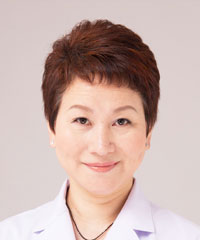
Masako Hosoi, MD, PhD is a specially appointed associate professor of Kyushu University Hospital specializing in psychosomatic medicine. An expert in chronic pain treatment with a background of neuroscience research in NIH of the United States. Her research focuses on the biopsychosocial aspects of pain and psychosomatic disorders.
|
|
|
|
 |
|
| Michael Hoyt |
| University of California, Irvine |
|
|
Biography
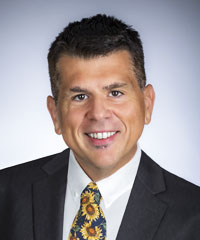
MICHAEL A. HOYT, PhD is a clinical health psychologist and Professor at the University of California, Irvine and Chair of the Departments of Global Health & Biobehavioral Sciences. He serves as the Director of the UCI Center for Biomarker & Biobehavioral Research and of the Biobehavioral Shared Resource at the Chao Family Comprehensive Cancer Center.
|
|
|
 |
|
| Mosaburo Kainuma |
| Department of Japanese Oriental Medicine, Graduate School of Medicine, University of Toyama |
|
|
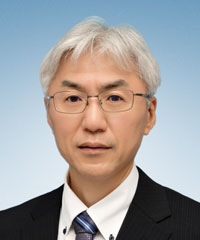
Biography
1993: Graduated from the Faculty of Medicine, Toyama Medical and Pharmaceutical University
2021–2023: Special Professor, Department of Japanese Oriental Medicine, Toyama University Hospital.
2023–present: Professor, Department of Japanese Oriental Medicine, Graduate School of Medicine and Pharmaceutical Sciences, University of Toyama.
|
|
|
|
 |
|
| Takahiro A. Kato |
| Department of Psychiatry, Hokkaido University Graduate School of Medicine |
|
|
Biography
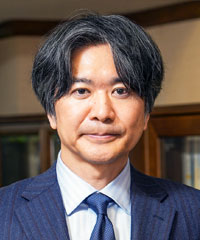
Takahiro A. Kato, MD, PhD, is Professor and Chair of Psychiatry at Hokkaido University and Director of the world’s first Hikikomori Research Lab. He has pioneered global diagnostic frameworks and novel interventions for severe social withdrawal, establishing the first dedicated hikikomori outpatient clinic and leading international collaborations to advance understanding and treatment of hikikomori.
|
|
|
 |
|
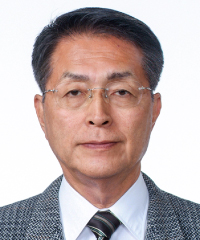
| Keishin Kimura |
| Japan Yoga Therapy Society |
|
|
Biography
Graduated from Tokyo University of Education and qualified as Bachelor of Science in 1969
Currently, engaged in wide variety of seminars, lectures, and Yoga trainings based on traditional Raja Yoga, Yoga Therapy.
Chairperson of the board of directors of Japan Yoga Therapy Society
|
|
|
|
 |
|
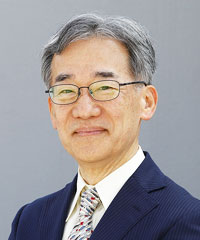
| Hiroaki Kumano |
| Waseda University |
|
|
Biography
Hiroaki KUMANO is a professor of clinical psychology and is the director of the Institute of Applied Brain Sciences at Waseda University. His current research interests are mindfulness, mind wandering, attention, and meta-cognition.
|
|
|
 |
|
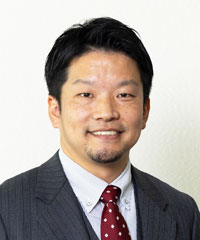
| Takahiro Masuda |
| Division of Molecular Neuroimmunology, Medical Institute of Bioregulation, Kyushu University |
|
|
Biography
Takahiro Masuda is a Distinguished Professor in the Medical Institute of Bioregulation, Kyushu University, where he leads research in molecular neuroimmunology. His work focuses on microglia and CNS border-associated macrophages, using advanced single-cell and omics technologies to understand brain development and neurodegenerative diseases.
|
|
|
|
 |
|
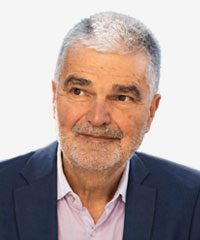
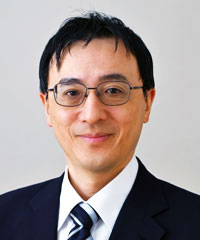
| Emeran A Mayer |
| University of California at Los Angeles |
|
|
Biography
Emeran A. Mayer, MD, is a gastroenterologist, neuroscientist, and Distinguished Research Professor of Medicine at the David Geffen School of Medicine at UCLA. He is Executive Director of the G. Oppenheimer Center for Neurobiology of Stress & Resilience, Co-Director of UCLA's SCORE on Sex Differences, and Founding Director of the Goodman Luskin Microbiome Center. His research, supported by longstanding NIH funding, focuses on brain-gut-microbiome interactions in health and disease, particularly the role of stress in IBS and IBD. He has published 449 scientific papers, co-edited three books, and authored the bestselling The Mind-Gut Connection, The Gut-Immune Connection, and Interconnected Plates.
|
|
|
 |
|
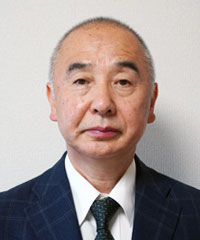
| Katsunaka Mikami |
| Departmetn of Psychiatry, Tokai University School of Medicine |
|
|
Biography
Graduated from Waseda University School of Law; later entered the second year of Tokai University School of Medicine, graduating in 2002.
Ph.D. in Medicine at Tokai University Graduate School of Medicine in 2009.
Visiting scholar, Department of Psychiatry, Carver College of Medicine, University of Iowa, IA, US for two years from 2009.
Professor, Department of Psychiatry, Tokai University School of Medicine since 2023.
|
|
|
|
 |
|
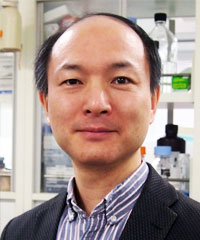
| Kenryo Minowa |
| Professor, Department of Buddhist Studies at Rissho University, Tokyo |
|
|
Biography
Professor, Faculty of Buddhist Studies, Rissho University, Professor Emeritus, The University of Tokyo, 1960: Born in Chiba, 1983: Graduated from The University of Tokyo. Areas: Buddhist thought and the history of meditation, Research Focus: East Asian Buddhism
|
|
|
 |
|
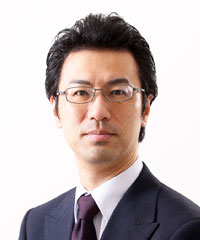
| Kazuhiro Nakamura |
| Nagoya University Graduate School of Medicine |
|
|
Biography
Kazuhiro Nakamura, PhD, is Professor of Integrative Physiology at Nagoya University Graduate School of Medicine. He is internationally recognized for pioneering studies on the neural circuitry underlying thermoregulation, energy homeostasis, and physiological responses to psychological stress. His research has advanced our understanding of the neurobiological basis of mind–body interactions and psychosomatic disorders.
|
|
|
|
 |
|
| Takuya Sasaki |
| Tohoku University |
|
|
Biography
2010 Ph.D., The University of Tokyo; 2013 Postdoctoral Fellow, University of California, San Diego; 2014–2021 Assistant Professor, The University of Tokyo; 2021– Professor, Tohoku University
|
|
|
 |
|
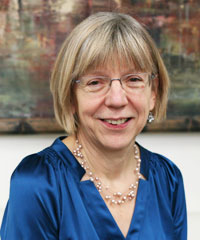
| Ulrike Schmidt |
| King's College London |
|
|
Biography
Ulrike Schmidt is Professor of Eating Disorders at King’s College London (KCL) and a Consultant Psychiatrist at the South London and Maudsley NHS Foundation Trust.
|
|
|
|
 |
|
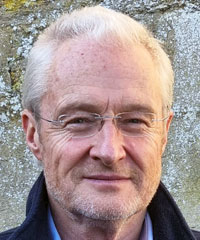
| Michael Sharpe |
| University of Oxford and the European Association for Psychosomatic Medicine |
|
|
Biography
Michael Sharpe has spent nearly 50 years researching how best to add psychiatric expertise to other areas of medical care. He is now particularly interested in real-world solutions to the challenge of delivering such integrated healthcare. He is currently President of the European Association for Psychosomatic Medicine (EAPM) and past President of the Academy of Consultation Liaison psychiatry (ACLP) in the USA.
|
|
|
 |
|
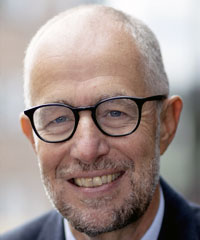
| Magnus Simrén |
| Univerity of Gothenburg, Gothenburg, Sweden |
|
|
Biography
Magnus Simrén is Professor of Gastroenterology at the University of Gothenburg, and Senior Consultant at the Sahlgrenska University Hospital, Gothenburg, Sweden. He is also Pro-Dean of the Medical Faculty, Sahlgrenska Academy, University of Gothenburg, Sweden, and Adjunct Professor of Medicine, University of North Carolina (UNC) School of Medicine, Chapel Hill, NC, USA. His clinical work and research focus on disorders of gut-brain interaction (DGBI), formerly known as functional Gastrointestinal Disorders
|
|
|
|
 |
|
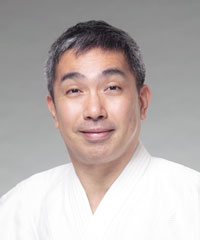
| Shinichi Tohei |
| Shinshin Toitsu Aikido Kai (Ki Society) |
|
|
Biography
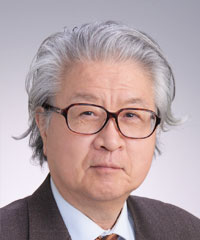
Shinichi Tohei, a science graduate from the Institute of Science Tokyo, is the President and official successor of Shinshin Toitsu Aikido Kai. He teaches at Keio University and applies mind–body unity principles globally to leadership and sports, recently featured on NHK WORLD-JAPAN's Medical Frontiers.
|
|
|
 |
|
| Kiyoshi Toko |
| Nakamura Gakuen University |
|
|
Biography
Dr. Kiyoshi Toko proposed the concept "to measure taste" about 30 years ago and succeeded in developing the taste sensor first in the world.
|
|
|
|
 |
|
|
|
Biography
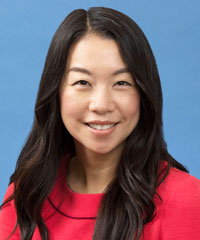
A. Janet Tomiyama, Ph.D., is the Marcie H. Rothman Presidential Term Chair of Food Studies and a Professor in the Department of Psychology at the University of California, Los Angeles and Director of the DIet, Stigma, and Health (DiSH) laboratory (www.dishlab.org). Her work has been recognized by early career awards from the Association for Psychological Science, the Society for Behavioral Medicine, and the Society for Health Psychology. She is also the recipient of the UCLA Life Sciences Excellence in Promotion of Diversity & Inclusion Award, the Undergraduate Research Mentoring Award, and the Distinguished Faculty Teaching Award. She is past president of the Society for Biopsychosocial Science and Medicine. Her research, which has been funded by the National Institutes of Health, the National Science Foundation, and the Robert Wood Johnson Foundation, focuses on the biobehavioral and health consequences of stress, dieting, comfort eating, and weight stigma.
|
|
|
 |
|
| Makoto Tsuda |
| Department of Molecular and System Pharmacology, Graduate School of Pharmaceutical Sciences, Kyushu University |
|
|
Biography
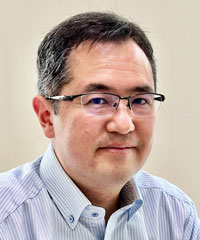
1998, Ph.D. Hoshi Univ (Tokyo); 1998, Post-doc, Natl Inst Hlth Sci (Tokyo); 2002, Post-doc, Hospital for Sick Children (Toronto); 2004, Research Scientist, Natl Inst Hlth Sci (Tokyo); 2005 (Asst Prof), 2006 (Assoc Prof), 2014 (Prof), Kyushu Univ (Fukuoka)
|
|
|
|
 |
|
| Jane Walker |
| University of Oxford |
|
|
Biography
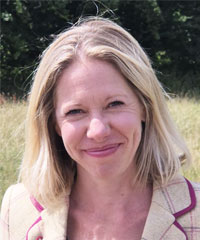
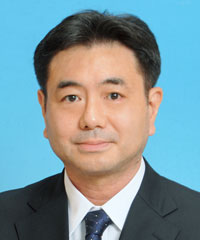
Jane Walker is a consultation-liaison psychiatrist who has conducted award-winning research in the field of psycho-oncology. She is also a leadership coach for clinicians and researchers, enabling them to communicate and lead with confidence.
|
|
|
 |
|
| Kazuhiro Yoshiuchi |
| The University of Tokyo Hospital |
|
|
Biography
Dr. Yoshiuchi is Professor and Chief of Department of Psychosomatic Medicine at The University of Tokyo Hospital. He serves as a board of directors for Japanese Society of Psychosomatic Medicine, the editor-in-chief for BioPsychoSocial Medicine, and an editorial board for Biopsychosocial Science and Medicine.
|
|
|
|
|
|
|
| Plenary Lecture |
|
|
|
| Plenary Lecture 1 |
September 24 (Thu) 8:30-9:20 |
|
|
|
|
| Chair: |
Takakazu Oka ( |
Department of Psychosomatic Internal Medicine, Graduate School of Medical Sciences, International University of Health and Welfare) |
|
|
| Ki and health: Rediscovering our natural potential through posture and breathing |
|
| Shinichi Tohei ( |
Ki Society HQ (Shinshin Toitsu Aikido Kai) |
|
|
|
| Plenary Lecture 2 |
September 24 (Thu) 13:10-14:00 |
|
|
|
|
| Chair: |
Kazuhiro Yoshiuchi ( |
Department of Psychosomatic Medicine, The University of Tokyo Hospital) |
|
|
| Building a biobehavioral intervention for young adult cancer survivors |
|
| Michael Hoyt ( |
University of California, Irvine) |
|
|
|
| Plenary Lecture 3 |
September 24 (Thu) 14:10-15:00 |
|
|
|
|
| Chair: |
Hiroe Kikuchi ( |
Department of Psychosomatic Medicine National Center for Global Health and Medicine Japan Institute for Health Security) |
|
|
| Weight stigma and health: A biopsychosocial approach |
|
| Janet Tomiyama ( |
Plenary Lecture 4 Department of Psychology, UCLA) |
|
|
|
| Plenary Lecture 4 |
September 24 (Thu) 15:20-16:10 |
|
|
|
|
| Chair: |
Hiroaki Kumano ( |
Faculty of Human Sciences, Waseda University) |
|
|
| An overview of meditation as taught in Buddhism and its effects |
|
| Kenryo Minowa ( |
Faculty of Buddhist Studies, Rissho University) |
|
|
|
| Plenary Lecture 5 [WEB] |
September 25 (Fri) 8:40-9:30 |
|
|
|
|
| Chairs: |
Shin Fukudo ( |
Department of Psychosomatic Medicine, Japanese Red Cross Ishinomaki Hospital Research Center for Accelerator and Radioisotope Science, Tohoku University) |
|
| |
| Nobuyuki Sudo ( |
Kyushu University, Graduate School of Medical Sciences and School of Medicine) |
|
|
|
| The brain gut microbiome system |
|
| Emeran A. Mayer ( |
University of California at Los Angeles (UCLA)) |
|
|
|
| Plenary Lecture 6 |
September 25 (Fri) 9:40-10:30 |
|
|
|
|
| Chair: |
Shin Fukudo ( |
Department of Psychosomatic Medicine, Japanese Red Cross Ishinomaki Hospital Research Center for Accelerator and Radioisotope Science, Tohoku University) |
|
|
| The new Rome V diagnostic criteria for disorders of gut-brain interaction |
|
| Magnus Simrén ( |
University of Gothenburg) |
|
|
|
| Plenary Lecture 7 |
September 25 (Fri) 13:50-14:40 |
|
|
|
|
| Chair: |
Shu Takakura ( |
Department of Psychosomatic Medicine, Kyushu University Hospital) |
|
|
| Treatment for anorexia nervosa: Current perspectives and future directions |
|
| Ulrike H. Schmidt ( |
Centre for Research in Eating and Weight Disorders, Department of Psychological medicine, Institute of Psychiatry, Psychology and Neuroscience, King's College London) |
|
|
|
| Plenary Lecture 9 [WEB] |
September 25 (Fri) 16:00-16:50 |
|
|
|
|
| Chair: |
Nobuyuki Sudo ( |
Kyushu University, Graduate School of Medical Sciences and School of Medicine) |
|
|
| Gut feelings: The microbiome as a key regulator of brain & behaviour across the lifespan |
|
| John F. Cryan ( |
University College Cork) |
|
|
|
| Plenary Lecture 10 |
September 25 (Fri) 10:10-10:40 |
|
|
|
|
| Chair: |
Sun Mi Kim ( |
Department of Psychiatry, Chung-Ang University Hospital) |
|
|
| A resilience-enhancing approach to chronic pain |
|
| Kyung Bong Koh ( |
Department of Psychiatry, Yonsei University College of Medicine) |
|
|
|
| Plenary Lecture 11 |
September 25 (Fri) 9:40-10:30 |
|
|
|
|
| Chair: |
Yoshiya Moriguchi ( |
Japan Neuropsychiatric Imaging Center, Assoc. PsychoInnovation, Co. Ltd.) |
|
|
| Dissociating dimensions of interoception: Body-brain interactions and mental health |
|
| Sarah N.Garfinkel ( |
Institute of Cognitive Neuroscience, University College London) |
|
|
|
| Plenary Lecture 12 |
September 26 (Sat) 8:00-8:50 |
|
|
|
|
| Chair: |
Shuji Aou ( |
Department of Brain Science and Systems Engineering, Kyushu Institute of Technology) |
|
|
| Psychosomatic connection in the brain: A fundamental mechanism for stress responses |
|
| Kazuhiro Nakamura ( |
Department of Integrative Physiology, Nagoya University Graduate School of Medicine) |
|
|
|
| Plenary Lecture 13 |
September 26 (Sat) 9:00-9:50 |
|
|
|
|
| Chair: |
Hiroshi Kaneko ( |
Department of Internal Medicine, Hoshigaoka Maternity Hospital) |
|
|
| Visualization of taste and smell |
|
| Kiyoshi Toko ( |
Nakamura Gakuen University) |
|
|
|
| Plenary Lecture 14 |
September 26 (Sat) 10:10-11:00 |
|
|
|
|
| Chair: |
Hideaki Hasuo ( |
Department of Psychosomatic Medicine, Kansai Medical University) |
|
|
| Neural pathways involved in translating stress into pain |
|
| Makoto Tsuda ( |
Kyushu University) |
|
|
|
| Plenary Lecture 15 |
September 26 (Sat) 15:20-16:10 |
|
|
|
|
| Chair: |
Masako Hosoi ( |
Department of Psychosomatic Medicine and Multidisciplinary Pain Center, Kyushu University Hospital) |
|
|
| Hikikomori: Pathological and non-pathological social withdrawal in the digital world |
|
| Takahiro A. Kato ( |
Department of Psychiatry, Hokkaido University Graduate School of Medicine) |
|
|
|
| Plenary Lecture 16 |
September 26 (Sat) 8:00-8:50 |
|
|
|
|
| Chair: |
Motoyori Kanazawa ( |
Department of Behavioral Medicine, Tohoku University Graduate School of Medicine/ Department of Psychosomatic Medicine, Tohoku University Hospital) |
|
|
| Brain-body interactions underlying cognitive functions and glucose homeostasis |
|
| Takuya Sasaki ( |
Graduate School of Pharmaceutical Sciences, Tohoku University) |
|
|
|
| Plenary Lecture 17 |
September 26 (Sat) 9:00-9:50 |
|
|
|
|
| Chair: |
Atsushi Sekiguchi ( |
Department of Psychosomatic Medicine, Graduate School of Medical Sciences, Kyushu University, Japan) |
|
|
| Diverse CNS macrophages shape brain development and function |
|
| Takahiro Masuda ( |
Medical Institute of Bioregulation, Kyushu University) |
|
|
|
|
|
|
| Short Talk |
|
|
|
| Short Talk 1 |
September 24 (Thu) 9:30-10:00 |
|
|
|
|
| Chair: |
Chiharu Kubo ( |
Nakamura Gakuen University) |
|
|
| Yoga therapy based on the World Health Organization (WHO) standards |
|
| Keishin Kimura ( |
Japan Yoga Therapy Society) |
|
|
|
| Short Talk 2 |
September 24 (Thu) 10:20-10:50 |
|
|
|
|
| Chair: |
Jun Nagano ( |
Kyushu University Center for Health Sciences and Counseling) |
|
|
| Integrating knowledge and experience from East and West to enrich the concept of health for the benefit of our societies |
|
| Ajándék Eőry ( |
Division of Integrative Medicine, Department of Family Medicine, Semmelweis University) |
|
|
|
| Short Talk 3 |
September 24 (Thu) 11:10-11:30 |
|
|
|
|
| Chair: |
George S. Nasra ( |
University of Rochester Medicine) |
|
|
| The Rochester model: A global biopsychosocial framework for consultation-liaison psychiatry in general hospitals |
|
| Hochang Benjamin Lee ( |
Department of Psychiatry, University of Rochester School of Medicine and Dentistry) |
|
|
|
| Short Talk 4 |
September 24 (Thu) 11:40-12:10 |
|
|
|
|
| Chair: |
Hochang Benjamin Lee ( |
Department of Psychiatry, University of Rochester School of Medicine and Dentistry) |
|
|
| Psychosomatic medicine: A German tradition, a global agenda |
|
| Stephan Zipfel ( |
Dept. Psychosomatic Medicine and Psychotherapy, University Medical Hospital Tuebingen, Germany) |
|
|
|
| Short Talk 5 |
September 24 (Thu) 10:20-10:50 |
|
|
|
|
| Chair: |
Stephan Zipfel ( |
Dept. Psychosomatic Medicine and Psychotherapy, University Medical Hospital Tuebingen, Germany) |
|
|
| Transforming depression care for people with cancer: A collaborative care approach |
|
| Jane Walker ( |
University of Oxford) |
|
|
|
| Short Talk 6 |
September 24 (Thu) 11:00-11:30 |
|
|
|
|
| Chair: |
Masato Murakami ( |
International University of Health and Welfare/Sanno Hospital) |
|
|
| Factors contributing to the intractability of Fibromyalgia: The "Four-Hit Hypothesis" and psychosomatic pathophysiology |
|
| Masako Hosoi ( |
Department of Psychosomatic Medicine and Multidisciplinary Pain Center, Kyushu University Hospital) |
|
|
|
| Short Talk 7 |
September 24 (Thu) 11:40-12:10 |
|
|
|
|
| Chair: |
Ajándék Eőry ( |
Division of Integrative Medicine, Department of Family Medicine, Semmelweis University) |
|
|
| Reimagining psychosomatic medicine through systems integration: The Rochester experience |
|
| George S. Nasra ( |
University of Rochester Medical Center, Department of Psychiatry) |
|
|
|
| Short Talk 8 |
September 25 (Fri) 8:00-8:30 |
|
|
|
|
| Chair: |
Tetsuya Ando ( |
Department of Psychology, School of Psychology, Meisei University) |
|
|
| EMA/EMI for stress-related disorders |
|
| Kazuhiro Yoshiuchi ( |
The University of Tokyo Hospital) |
|
|
|
| Short Talk 9 |
September 25 (Fri) 17:00-17:30 |
|
|
|
|
| Chair: |
Marie Amitani ( |
Department of Community-Based Medicine, Kagoshima University School of Medicine and Dental Sciences) |
|
|
| Brain–gut interaction and Kampo medicine |
|
| Mosaburo Kainuma ( |
Department of Japanese Oriental Medicine, Toyama University Hospital, Toyama, Japan) |
|
|
|
| Short Talk 10 |
September 25 (Fri) 8:20-8:50 |
|
|
|
|
| Chair: |
Yoshio Kanemitsu ( |
Fukuoka Dental College) |
|
|
| Towards the development of neuro-cognitive-behavioral therapies for psychological and psychosomatic disorders |
|
| Hiroaki Kumano ( |
Waseda University) |
|
|
|
| Short Talk 11 |
September 26 (Sat) 10:10-10:40 |
|
|
|
|
| Chair: |
Tomokazu Hata ( |
Department of Psychosomatic Medicine, Kyushu University Hospital) |
|
|
| Suicide attempts among children and adolescents in Japan: Clinical characteristics and support strategies |
|
| Katsunaka Mikami ( |
Department of Psychiatry, Tokai University School of Medicine) |
|
|
|
|
|
|
| Master Class |
|
|
|
The Master Class will feature the topics listed below and offer participants an opportunity for in-depth learning and discussion.
We warmly invite all interested conference participants to attend.
Please note that participation in the Master Class requires an additional fee.
Registration is now open.
Detailed schedules will be announced once finalized. |
|
|
|
|
| This Master Class will introduce the practical assessment and instructional methods of yoga therapy recently recognized within the Traditional, Complementary and Integrative Medicine (TCI) framework of the World Health Organization (WHO). Through a live demonstration of the initial interview and first therapeutic session, participants will observe how traditional yogic methods—including āsana, prāṇāyāma, and Vedic meditation—are applied to assess and support both physical and psychological conditions. |
| The session will further explore the deeper theoretical framework underlying these practices, described here as “India’s 5,000-year cognitive behavioral methodology,” which utilizes the traditional Darśana counseling approach to identify cognitive misunderstandings and facilitate psychological transformation through meditation and self-awareness practices. |
| This Master Class offers a rare opportunity for psychosomatic medicine specialists to experience both the theoretical foundations and the real-world clinical application of traditional yoga-based therapeutic approaches that extend beyond current global standards for yoga training. We warmly welcome specialists who are interested in yoga therapy to attend this session. |
| Experience the healing power of Naikan, a unique Japanese psychotherapy that shifts our focus from self-centeredness to deep gratitude and connection. This masterclass introduces the history and core philosophy of Naikan in an accessible way. You will learn the transformative "Naikan three items" (What have I received? What have I given back? What trouble have I caused?) underpinning this practice. |
| The highlight is a 30-minute "mini-Naikan" workshop to directly practice this introspection on someone close to you. Join us to discover how this Eastern wisdom can enrich Western therapies and bring a compassionate perspective to your clinical work. |
| We warmly welcome clinicians, researchers, students, and all healthcare professionals interested in Naikan to join this session. |
| Art therapy engages pre-verbal domains through media-induced Altered States of Consciousness (ASC). Its effectiveness has been demonstrated even in people with alexithymic tendencies and attachment-related difficulties. At the Department of Psychosomatic Medicine, Kyushu University Hospital, we have implemented this approach based on a graduated psychosomatic treatment model, in which therapeutic media and techniques are carefully selected and flexibly adapted according to each patient’s condition and the progression of treatment. This approach resonates with an Eastern-oriented therapeutic perspective that emphasizes harmony, integration, and the capacity to transform in response to changing circumstances. |
| Part I will present an overview of art therapy, followed by a clinical case presentation of fibromyalgia and complex PTSD that illustrates the therapeutic process as it evolves through the sequential use of sandplay, drawing, and singing in accordance with treatment progression. |
| Part II will offer participants an opportunity to directly experience a simple drawing-based therapeutic exercise. |
| We warmly welcome all clinicians and professionals with an interest in art and its therapeutic potential. |
| Electricity is closely associated with acupuncture. Among the five elements in the traditional Chinese theory, “fire” means electricity controlled by aquaporin, which is administered by triple energizer meridian. |
| First, high bioelectrical potential is associated with inflammation, sickness in the therapist and dyspnea and cerebrospinal fluid hypovolemia. Acupuncture using metals and magnets is helpful in earthing the electrostatic charge. |
| Second, diagnosis and therapy are practiced according to the bioelectrical potential in a kind of projection acupuncture, auricular therapy. |
| These two therapies are to be demonstrated. |
|
|
|
|
|
| Plenary Symposium |
|
|
|
| The biopsychosocial model, first articulated more than four decades ago by George L. Engel, conceptualizes health and illness as arising from the dynamic interaction of biological, psychological, and social factors. The model has profoundly influenced modern healthcare and remains a foundational framework for psychosomatic medicine and related disciplines worldwide, including organizations such as the International College of Psychosomatic Medicine. |
| Despite its broad conceptual acceptance, implementation of the biopsychosocial model has varied considerably across regions. Differences in cultural contexts, healthcare systems, reimbursement structures, policy environments, and professional training have shaped how the framework is incorporated into clinical care, research, and medical education. |
| This plenary symposium convenes international leaders from the European Association of Psychosomatic Medicine, the Asian College of Psychosomatic Medicine, the Society for Biopsychosocial Science and Medicine (formerly the American Psychosomatic Society), and the International College of Psychosomatic Medicine to examine the current state, regional evolution, and future directions of biopsychosocial medicine across Europe, Asia, the United States, and beyond. Speakers will discuss regional advances, innovative clinical and research applications, and persistent systemic barriers while exploring strategies to strengthen the integration of the biopsychosocial model into healthcare delivery, medical education, and public health policy worldwide. |
| Through comparative international dialogue, the symposium aims to identify shared challenges, highlight region-specific lessons, and outline future directions for advancing biopsychosocial medicine globally. Presentations will be followed by an interactive question-and-answer session with the audience. |
|
|
|
|
|
| Workshop |
|
|
|
| The goal of the International Balint Group is to offer a forum to discuss doctor / therapist - patient - relationships with participants from different geographical and cultural locations. This is a follow-up to the first successful session of an international Balint Group in the 2024 ICPM - Congress in Tuebingen. |
| The setting is the traditional Balint setting with a case presentation from one of the participants with subsequent discussion using free association and "fresh thinking" sensu M.Balint. The group will be convened by a cross-cultural German / Japanese leader/coleader combination in order to be able to grasp specific cultural-bound topics in the case and so to deepen the understanding of divergent, but also common factors and relationship issues in psychosomatic medicine. |
| Introduction: Intercultural case discussions took place in Japanese and German Psychosomatic conferences in the last fifteen years. |
| Methods: We want to apply this knowledge and these experiences also at the WCPM in Fukuoka in a group of physicians, psychologists or nurses (up to 16 participants), who are treating patients in the clinical field in Japan, US or in European countries. One participant should present a case (in English language or with an interpreter) and the Asian, American or European participants discuss this case in their own individual group. Thereafter two (or three) groups present their individual group discussions and discuss the case joint. |
| Results: After the experiences with the Japanese-German discussion groups we expect a deeper common understanding of views, expectations and psychosomatic treatment perspectives in different cultures. One patient can be an example to demonstrate the Asian, American and European way of thinking and to understand the applied treatment procedures in the psychosomatic field. |
| Conclusion: WCPM seems an important place for the exchange of intercultural experiences, which can be demonstrate in diagnosis, management and treatment of psychosomatic cases in the individual country or culture. For physicians involved in clinical care it allows a deeper understanding of bio-psycho-socio and cultural conditions, which are effective in clinical care. |
| Physicians working in psychosomatic medicine routinely attend to patients’ emotions and anxieties, their perception of medical encounters, and the meanings they assign to symptoms. This perspective closely aligns with the growing emphasis on “patient experience,” which highlights the entirety of patients’ lived experiences in healthcare. |
| In psychosomatic practice, clinicians frequently encounter patients who feel that “no one can find the cause,” that “people don’t believe in my suffering,” or that they are “not being understood.” These situations require physicians to engage with emotional processes, uncertainty, meaning-making, and relational complexity. Communication skills that go beyond simple information exchange are therefore essential. |
| Traditional communication education, however, has often focused on transmitting knowledge and discrete skills. In actual clinical settings, physicians may struggle to apply these skills flexibly amid uncertainty, emotional burden, and complex interpersonal dynamics. As a result, increasing attention has been paid to “communication coaching (CC),” an approach that supports physicians in reflecting on their communication and fostering ongoing professional growth. |
| Psychosomatic medicine specialists are well positioned not only to educate medical students and residents, but also to support physicians across specialties by facilitating ongoing learning and reflection focused on relationship-centered communication. |
| This workshop will introduce CC practices currently used in the US. In addition to challenging situations encountered in general clinical practice, participants will examine scenarios specific to psychosomatic medicine while exploring the conceptual foundations and practical methods of CC. Participants will also experience CC firsthand and discuss its application in clinical education and professional development. |
| Participants will deepen their understanding of: |
|
| • |
the interface between psychosomatic medicine and patient experience–focused care |
|
| • |
the core concepts and aims of CC |
|
| • |
relational approaches to difficult clinical encounters |
|
| • |
physicians ’ emotional reactions and defensiveness |
|
| • |
coaching approaches that facilitate reflection and self-awareness |
|
| • |
the potential for fostering ongoing learning and collegial cultures |
|
|
|
|
|